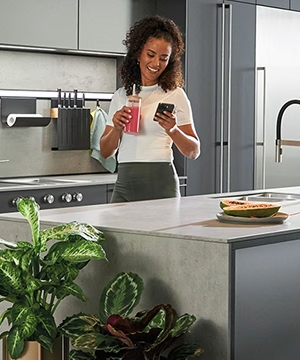
A kitchen designed with natural elements creates an immediate feeling of warmth and hospitality within your home space. The combination of wood with stone and clay elements in an open design creates a space that delivers both functionality and peace. The nature kitchen design emphasizes basic elements that produce a comfortable space that supports both cooking activities and social interactions. The integration of natural textures with organic arrangements establishes a welcoming kitchen space. This space functions as a timeless heart of your home during both renovation projects and simple space updates.
Earthy Materials and Textures to Ground the Space
Utilizing natural and tactile materials enhances the connection to nature and generates warmth and depth within the natural kitchen design. The use of such materials creates a sensory experience as it locates the kitchen within the beauty of natural imperfection.
Natural Stone Surfaces for Lasting Elegance
In addition to wood, natural stone surfaces of granite, quartzite, or soapstone bring an elevated function with organic sophistication and also contrasting materials by using polished and honed surfaces, thereby bringing more depth. The earthy tones of the stone will naturally fit well with wooden and metal kitchen elements, facilitating visual coherence in a nature inspired kitchen and will last you throughout the years.
Woven and Fiber Textiles for Softness
Soft textiles made from natural materials create even more tactile richness and warmth. Rugs made of natural weaves provide elaborate patterns for the feet to rest on. Linen curtains and diffused light provide reassurance of organic quality. Layering each other with the natural woven textiles provides a multi-dimensional balance to the common hard surfaces in a nature kitchen.
Matte and Raw Metal Touches
Using authentic fixtures like soft bronze, patinated copper, or brushed iron to furnish kitchen spaces embraces an implication of the imperfect and moody. These metals create industrial warmth without a cold sheen. Fixtures such as faucets or cabinet handles become an anchor point far from the shiny and predictable nature of stainless steel, tying a kitchen space together with natural textures.
Lush Greenery and Living Walls
The introduction of plant life softens lines and adds fun. Indoor herb and kitchen gardens emphasize cooking with fresh ingredients while promoting active food gathering. A vertical plant wall can further add texture and contrast in color to your natural kitchen design and give life while improving indoor air quality. This reinforces nature’s rhythm while supporting active beautification.
Designing Organic Layouts for Flow and Connection
The nature kitchen uses flow and harmonious blends, combined with open and properly arranged floor layouts.
Connecting Indoor Comfort with Outdoor Living:
Keeping kitchens open to gardens is one of the best natural kitchen ideas to elevate the experience. Matching flooring materials at the threshold can seamlessly align the visual and physical impact while inviting sunlight. This enhances a relaxed atmosphere that reflects nature’s openness, creating enjoyable everyday cooking experiences.
Curved Forms and Flowing Lines:
Rather than a row of rigid corners of the island, counters, and cabinetry, incorporating rounded islands, counters, and rounded corners on cabinets softens the approach. This nature inspired kitchen approach softens movement through the space and allows uninterrupted sightlines. Rounded cabinetry is more ergonomic.
Natural Circulation Paths:
A winding path in the kitchen is ergonomically advantageous and supports engagement in process and exploration. Organic movement in the kitchen naturally slows traffic and creates opportunities for engaging culinary and social experiences.
Earth-Tone Color Integration:
Use layered, muted earthy colors to unify materials and spaces. These colors gently recede; their colors anchor your furniture and fixtures, yet continue to align themselves with the constant variations in natural light. Layering tones throughout the cabinetry, flooring, and walls creates a more immersive experience in a nature inspired kitchen.
Practical Green Elements Enhancing Natural Kitchens
A nature kitchen design goes beyond visual elements because it combines sustainable technology systems with environmentally friendly features which support sustainable operations.
- Smart Appliances and Lighting: Purchasing energy-star-rated home equipment reduces carbon footprints. Soft LED lights vary temperature settings in order to mimic natural light cycles, providing comfort for a nature kitchen.
- Indoor Herb and Edible Garden Integration: Kitchens that combine growing areas for herbs or microgreens create an immediate connection between nature and food. Growing spaces contribute to freshness and facilitate the celebration of seasonal consumption while allowing the consumer to be mindful of food sources.
- Eco-Friendly Sustainable Materials: Natural materials offer the same visual appeal while representing decisions of environmental responsibility.
Conclusion
Integrating natural textures and organic layouts into kitchen design provide disconnection of the home with the equilibrium and calmness of nature. Celebrating sustainable materials, responding to spatial sustainability, and fostering inclusive plants allows the experience of an everyday kitchen to transition into a collaborative environment restorative of well-being and ecological consciousness. Novalina’s manufacturing integrates these principles for a creative nature inspired kitchen design, a place where excellence converges.
Discover the art of natural kitchen design with Novalina and take part in transforming your kitchen into the calm, eco-friendly space of style and sustainability.