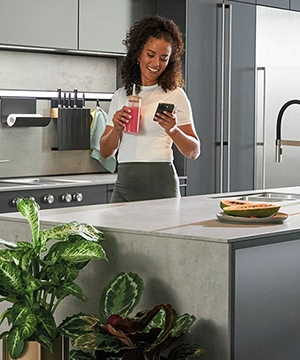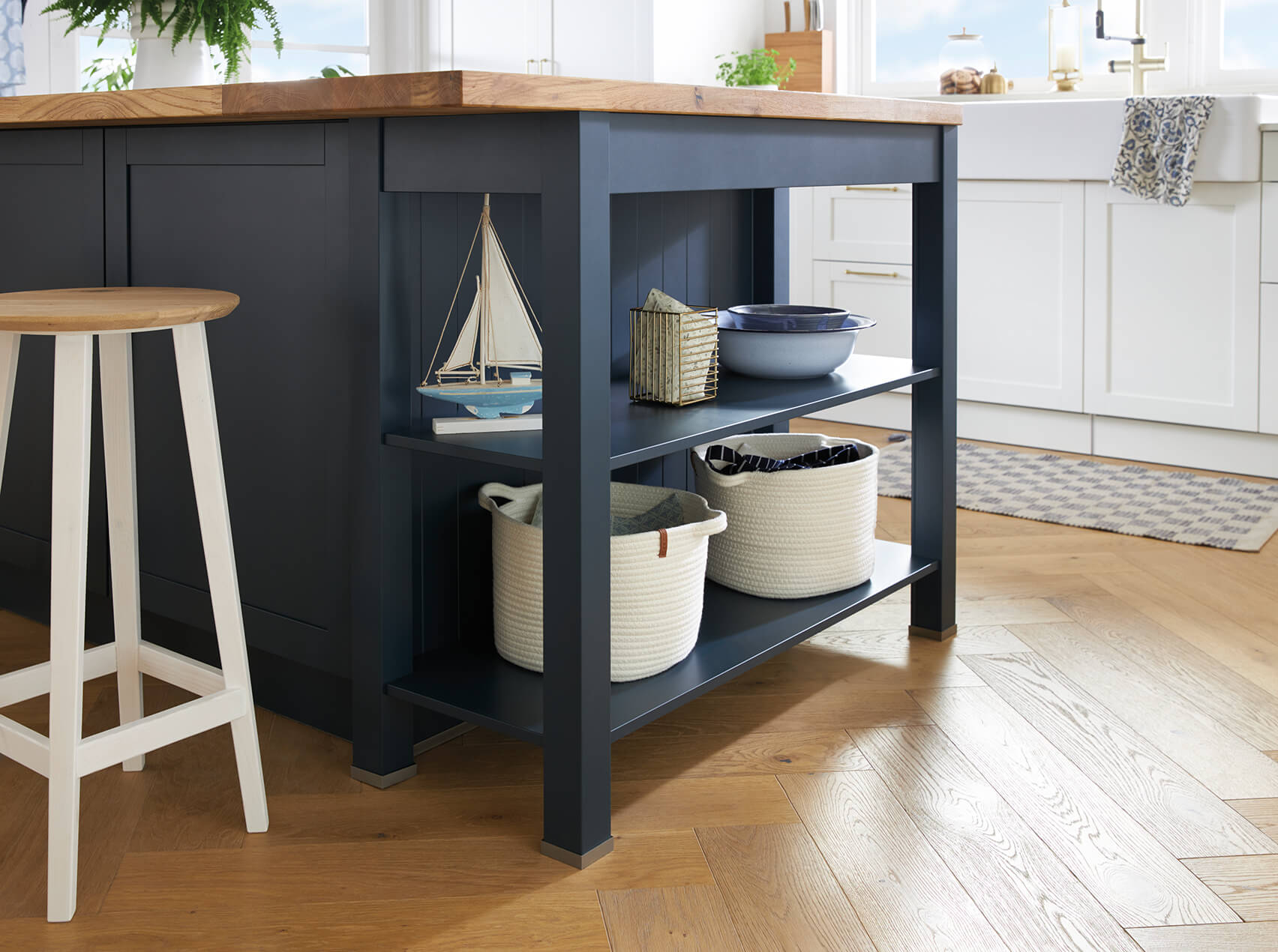
Modern homes are increasingly centered around family kitchens, where cooking, learning, conversations, and daily routines all come together. These kitchens are no longer adult zones but have become communal places where children move around freely. This has made safety as important as style or functionality. The child-safe materials technology has become a significant part of kitchen design that supports family life without continuous monitoring and concern.
Why Child Safety Must Be Built into Kitchen Design
Carefully planned big kitchen design takes into account the interaction of children with the area during the day. Acute edges, toxic finishes, slippery floors and unsteady surfaces may be dangerous. Designing for safety from the start ensures protection is structural rather than dependent on rules alone. When safety is incorporated into materials and designs, families will experience open, relaxed and safe kitchens without compromising utility.
- Non-Toxic Surface Materials for Everyday Contact
Material safety in a large kitchen design begins with surfaces that are commonly touched by children. Wall finishes, countertops and cabinets should not contain any toxic chemicals or heavy emissions. Protecting indoor air quality can be done with low-VOC paints, sealed natural materials and food-safe coatings. Children tend to touch, lean, or play around surfaces, and thus the selection of materials that do not harm kids should be of the utmost importance in the long-term well-being of the family. - Impact-Resistant Cabinetry and Finishes
Kitchen designs benefit from materials that withstand bumps, knocks, or frequent contact common in family kitchens. Cabinets with impact-resistant materials minimize damage, and children are protected from sharp edges. A durable finish can resist even rough use. These materials enable kitchens to remain safe and aesthetically consistent over time and meet the demands of family life. - Rounded Edges and Soft-Close Technologies
In a large size kitchen, children have more room to move, which increases the importance of injury prevention. Countertops, islands, and cabinetry have rounded corners that minimize the chances of impact injuries. Drawers and soft-close hinges ensure that kids do not pinch a finger or slam a door open. These technologies operate silently in the background, thus making children interact with the space at a higher level of safety and still have a sophisticated kitchen experience. - Slip-Resistant Flooring for Active Households
In a big kitchen design that is used all the time, flooring is an important aspect of safety. Child-safe flooring coverings are also kids-friendly and resistant to slips when exposed to spills. Flooring and moisture-resistant materials are textured and matte, which reduces the risk of falls. The options are particularly significant in kitchens where children move quickly between zones, ensuring safety without compromising durability or ease of cleaning. - Heat-Resistant and Cool-Touch Surfaces
A major issue to consider in a large kitchen design with children is burn prevention. Heat-resistant surfaces and cool-touch countertops minimize the chances of accidental burns. Engineered materials which remain cooler during cooking give an extra level of protection. With these technologies, families can cook while kids remain nearby, and the experience of sharing a kitchen can be achieved without restriction at all times. - Safe Storage Materials and Accessibility Control
Family kitchens storage design should be able to balance accessibility by adults and the safety of children. Material t used in drawers and cabinets must be able to accommodate a child-lock system without compromising structural integrity. Smooth interiors prevent scratches, and durable structures ensure locks are reliable over time. Safe storage resources assist in storing dangerous substances safely and also keep the kitchen well-organized. - Easy-to-Clean Surfaces Supporting Hygiene
In a large size kitchen used by children, hygiene is closely connected to safety. Stain, bacteria, and moisture-resistant materials are used to create cleaner environments with reduced effort. Seamless surfaces and closed finishes allow no build-up to accumulate. Easy cleaning reduces exposure to germs, and it is beneficial in ensuring that parents keep their kitchen in a healthy condition without using harsh chemicals.
Conclusion
Family kitchens will need more than just a pleasing design when creating kitchens. Especially when safety is a top concern and must be part of daily family kitchen activities. Child-safe material technology offers protection with non-toxic finishes, impact strength, thermal and ergonomic design. When safety is engineered into materials and layouts, kitchens become spaces where families can gather, cook, and grow together with confidence and ease.