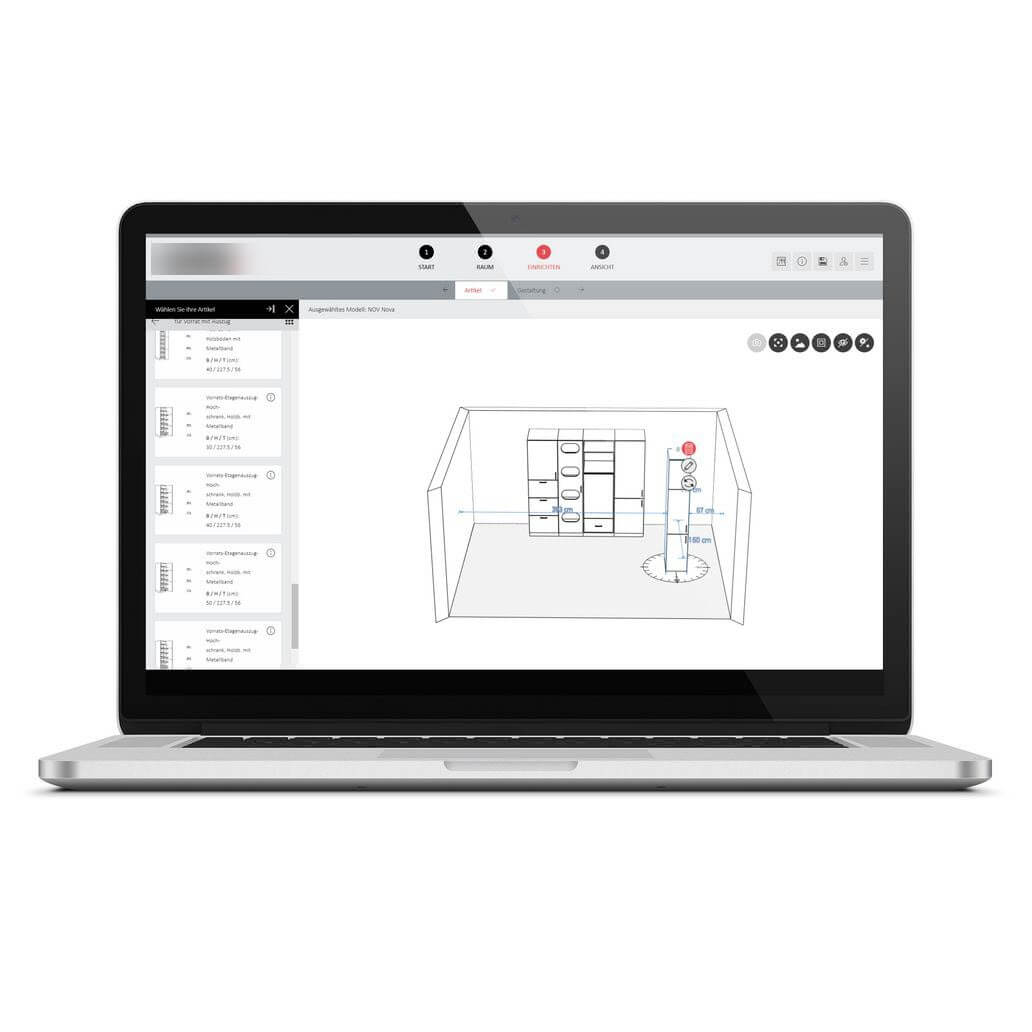
Kitchen planning has become far more sophisticated as homeowners demand spaces that truly support daily living, especially within earthy kitchen designs that prioritize warmth, balance, and usability. A kitchen is no longer a static space but an active space where cooking and movement, storage and interaction occur continuously. Standard measures and visual assumptions were very crucial in the traditional planning strategies, which resulted in inefficiency upon installation. Predictive space-usage data has completely changed this process, where designers plan kitchens as per how individuals tend to behave, move and use their space daily.
How Predictive Data Is Changing Kitchen Planning
A modern kitchen planner tool focuses on behavior rather than fixed layouts. These tools do not just arrange the cabinets and appliances, but also work based on the duration of space usage and where the congestion is likely to happen. This information helps designers in finding inefficiencies before construction. Predictive planning saves space wastage, enhances comfort, and ensures that the kitchens simplify daily routine tasks.
- Movement Analysis for Natural Workflow Design
The next generation planning systems incorporate predictive movement analysis in a kitchen configurator to trace out the anticipated traffic. Such systems assess the movement of the users between the preparation, cooking, washing, and storage areas during typical activities. Designers can rearrange the elements to minimize collisions and needless steps by determining the common routes and overlapping movement areas. This assessment helps in streamlining work processes, especially in hectic homes. Kitchens planned this way feel effortless to navigate, even when multiple people are cooking at the same time. - Storage Planning Based on Real Usage Patterns
Storage efficiency is enhanced to a large extent with the guidance of an online kitchen planner that examines the frequency of usage. Predictive information is used to identify what products need to be kept in the vicinity and those that can be moved elsewhere. Everyday cookware, utensils, and ingredients are prioritized for accessibility, while rarely used items are stored higher or deeper. This minimizes clutter, physical constraint and wastage of time in finding things. - Designing Layouts That Adapt Over Time
One of the strongest advantages of predictive planning lies in flexibility supported by a kitchenkitchens planner tool. Kitchens are long-term investments, yet the needs of the household are likely to vary. Predictive tools enable layouts to be modified digitally as lifestyles change, be it accommodating larger families, changing food habits or spending more time at home due to the need to work. This vision allows domestic customers to future-proof their kitchens. Layouts can be developed over time rather than becoming outdated, renovations are not disruptive. - Maintaining Visual Harmony in Earthy Kitchens
Technology-driven planning must still respect aesthetics, especially in earthy kitchen designs where visual calm is essential. Predictive tools will avoid the overcrowding and visual imbalance in the functional elements. The appliances, storage areas and work areas are merged so that there are natural flows and clean lines. This enables kitchens to be cozy and enjoy the advantage of sophisticated planning behind them. The outcome is a relaxed and natural way without compromising performance. - Reducing Errors Through Simulation-Based Planning
One of the advantages of working with a kitchen configurator is that it is possible to model the real use in life before the construction process starts. Workflows, door clearance, appliance spacing, and storage access can be tested digitally. This can be used to spot possible issues like minimal walkways, cumbersome access to corners or poor zoning at the earliest stage. Simulation saves expensive mistakes, revisions and makes the kitchen operate as required in real conditions. - Personalized Planning Without Technical Complexity
Although the online kitchen planner will be based on the use of advanced analytics, it is meant to be user-friendly. Intuitive insights are converted into straightforward guidance on layouts without confusing homeowners with technical information. Users are able to change their preferences and learn the reactions of layouts immediately. This makes the planning process interactive and affordable, yet at the same time provides highly personalized results. The process of smart planning is not intimidating, and it becomes intuitive, promoting better long-term design choices.
Conclusion
Predictive space-usage data has turned kitchen planning into an accurate user-oriented task, making the kitchen planner tool a critical part of the design of the modern day. These tools design natural kitchens by understanding movement patterns, storage habits, and lifestyle changes, to be operational from day one. With the still-growing demands on efficiency and customization, the trend of data-driven planning will still be central in creating kitchens that truly cater to daily living.